
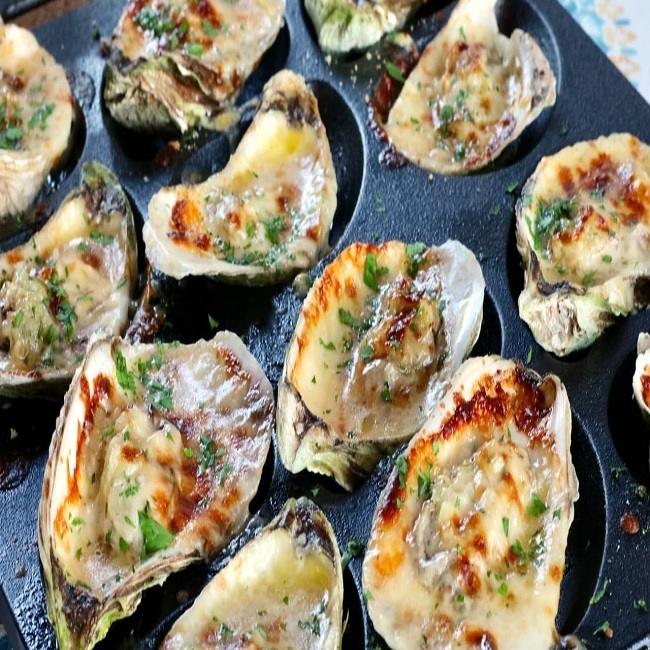
Roasted oysters are an attractive delicacy food to the seafood lovers because it has a combined rich history as well as overindulgence taste and a sense of cooking adventure. Roasting oysters is classic and creative since the inception of Oysters Rockefeller as a meal that was invented as a need to serve in the kitchens of the Antoine restaurant in 1899 until the current times where they are baked in butter and spices. One of the better-known versions of the history is that one night when the escargots were out of season the cook substituted the oysters and sprinkled them with herb butter-sauce. The mythical name was developed when a restaurant patron called the lunch fat as Rockefeller.
Such a tradition of food transforms roasted oysters into more than a food. They carry a legacy. You roast oysters, you bind on to a long history of ingenious consuming and adventurous palate. The stuff works the fresh salty oysters into warm herby savory bites that are juicy with buttery herbs, melted cheese, and stinking garlic. That is the transformation of the charisma.
Roasted oysters are a chance to the home cook to make a shellfish that is hardly considered a fancy dish into an entree or appetizer of high order. You can make a custom of herbs, cheeses and seasonings. You can simply garnish them with lemon slices or garnish them with sauces and accompaniments.
In a word, there is crossroads of history, taste and innovation in roasted oysters. They have provided every home cook with a chance to bring a bit of New Orleans in the 19 th century when they developed a dish that combines the traditional but modern flavor.
Selecting Fresh Oysters and Preparing Them Properly: The Key Steps to Ensure Safety and Maximum Flavor
The choice of oysters is all when it comes to the roasted oysters. To begin with, take oysters with shells not broken. Discard them that are broken or damaged shells, they may be some sign of low quality or pollution.
Having taken home the oysters, retain them cool and moist till cooked. Do not store them at room temperature. Ideally conserve them in ice or a cool but fresh container.
Before cooking, wash the shells. Cleanse any mud or dirt with clean running water. The grit which is adhered to the shells is removed with a stiff brush. Washing will make all the unwanted flavors or sand that could have permeated in the process of roasting to be removed.
There is an oyster-shucking technique. One has to use a proper oyster knife and hopefully wear protective gloves to avoid falling. To prepare recipes of roasted oysters you generally detach the flesh of the oyster out of the bottom shell, and leave the oyster and his natural juices (bottom half juices) in the bottom shell – in order that the flavor and the juices of the flesh may be retained in roasting.
When you have not tried oysters yet, you may have your fish dealer shuck them. This renders it less risky and less risky to deal with.
A slight preparation is an assurance that your oysters are in fresh, wholesome, and ready to be dipped in the rich buttery herbs taste that is what makes roasted oysters so tasty.
A Reliable Roasted Oysters Recipe: Ingredients and Step‑by‑Step Cooking Guide for Home Kitchens
It is a cooking recipe that is founded on Roasted Oysters on one of the trustworthy cooking blogs, but adapted to a domestic kitchen.
Ingredients (serves about 12–24 oysters)
- 1 stick (about 113 grams) butter, unsalted or salted depending on preference
- 1/4 cup finely chopped fresh parsley (or mixture of parsley, basil, chives, tarragon)
- Optional: 1/8 cup finely minced celery (with leaves) for added freshness and texture
- 2 tablespoons finely minced shallots
- 1 tablespoon finely minced garlic
- 5 teaspoons grated lemon zest — gives a slight citrus brightness
- Salt and freshly ground black pepper to taste
- About 3 ounces (≈85 g) nutty cheese such as Gruyere (or a similar melting cheese
- Optional: small sprinkle of breadcrumbs for a slight crunch on top 12–24 fresh oysters (in shell), cleaned and shucked so they rest in their bottom shells
Instructions
Switch on the oven and pre-heat it to 425 degrees Fahrenheit ([?] 218 degree C). Prepare a roasting dish or baking sheet. You can have an oyster roasting pan and use it. Otherwise, nestle, upon a bed of rock salt, coarse salt or even aluminum-foil nests in order to secure the oysters in place so that the liquors will not spurt out. (Feast and Merriment)
Gouge out the oysters with an oyster knife. Bake oyster in bottom shell and loosen oyster but not drain. Discard top shells.
Melt the butter in a small saucepan on medium heat. Add shallots, garlic, parsley (and other herbs, in case), lemon zest, salt, and pepper. Add additional herbs and stir until it becomes soft and the mixture scents the butter without ever burning it. You can or cannot put in a little splash of white wine, to make it livelier.
Place the oysters on the shell on the tray. Spoon about 1 large heaping teaspoon of the melted butter- herb mixture into every oyster. Then sprinkle with a little teaspoonful of grated cheese. Breadcrumbs may be sprinkled onto the top, as desired
Put in an oven and roast between 8 and 10 minutes. Watch carefully. When margins of oysters begin to turn slightly, when cheese begins to melt and turn golden and butter mixture is bubbling, oysters are cooked. When you want a darker brown top then switch to the broil setting during the final 1-2 minutes.
Why Small Variations Matter: Flavor Tweaks, Ingredient Substitutions, and Presentation Tips That Make Roasted Oysters Shine
The outcome of this process is buttery, aromatic, slightly cheesy oysters which still have the natural briny taste that is ideal on its own as appetizers or as part of a seafood platter.
The Power of Little Changes: Small Factors, Dish Replacements, and Presentation Ideas That can make Roasted Oysters Shine.
Roasted oysters have one of the best things, namely flexibility. Taste and presentation may be significantly enhanced with the assistance of little manipulations that cannot make the process complicated.
Butter mixture can be made with substitutes of herbs. One can have parsley which is also good, but basil, chives or tarragon are also added insisting on adding more layers of flavor and depth to it. I guess it was the herb combinations that were the look of the escargot hence experimenting is one of the methods of honoring the tradition.
The flavor and texture depend on the type of cheese selected. It has a rich creamy taste that is caused by the inclusion of nutty melting cheeses like Gruyere. Should you fancied something light, you may have milder cheese, or no cheese, but always care to keep the natural flavor of the oyster in the limelight. Bread crumbs add a nice crunchy bite to the top which is a good contrast to soft oyster and melted cheese.
Rather than holding the nestling oysters on the bed of rock or coarse salt it is sufficient to serve them. It offers a rustic rustic-high-end base that help in keeping their liquor and helps them to stand the shells. New lemon wedges are added to it to add the buttery taste. To make it aesthetically fresh, add fresh parsley or fresh herbs.
Where to serve to guests, it may be advisable to place the oysters on a serving dish lined with crushed ice or salt, and then lemon slices, fresh herbs and, preferably, a small portion of herb-butter sauce. Prepare it using a wine brand with a sharp and white flavor or a sparkling wine to compare with the decadence based on the creaminess.
Even some little cooking details like the choice of herbs, the presence or absence of cheese, serving the dish, etc may enable you to align oysters roasted with your occasion, either family dinner or luxurious dinner party.
Safety, Storage, and Serving Advice to Ensure You Enjoy Roasted Oysters without Risk
One needs to be concerned with food safety when working with oysters. Experienced suppliers are never purchased and closed shells. Get rid of any snapping or broken shelled oysters having a stench. Oysters should not be kept long and must be kept cold.
Oysters to be roasted, and to be eaten without any change or waiting. Oysters that are cooked must not be stored very long at room temperature. Assuming you need to save the leftovers, put them in the fridge after two hours and consume them after a day. Heat One more time, the quality and flavor of food will not last long and may endanger food-safety.
Lightweight ones are to be considered in the event that you or your guests are sensitive to dairy. Extra-virgin olive oil can be used in place of butter. Skip cheese or breadcrumbs. Add fresh lemon and herbs. These changes reduce the saturated fat and make the food delicious.
And those who do not partake shellfish, or are allergic to them, do not use other proteins in the place of oysters in this recipe they do cook, and absorb flavors in a very specific fashion a substitution will create a food-safety concern.
Safe sourcing, proper shucking, proper cooking, and appropriate timely serving will also help you to save the taste and preservation of safety.
Why Roasted Oysters Deserve a Spot in Your Regular Cooking Repertoire and When to Serve Them for Maximum Impact
Roast oysters are so rich in flavor and so easy to make it is hard to believe. They take approximately 15-20 minutes of active preparation (shucking, butter-herb melt, and topping) and take an approximation of 10 minutes to cook a lavish meal. This is why they can be applied to spontaneous dinner parties or celebratory meals in the cases when it is necessary to be relaxed and yet to be sophisticated.
They make great appetizers. Take the case of a dinner on a sea-food theme – the visitors are welcomed with a starter of roasted hot oysters. Serve with lemon slices, fresh herbs, stale bread and a chilled white wine perhaps. They are composed of the warm buttery, garlic flavor.
Roasted oysters are considered luxurious on some special occasion like holiday, birthdays, dinner parties, etc. Your meal has some story to it as the story of some of the dishes like Oysters Rockefeller provides some story to your meal. Tourists will be able to experience the food experience of the dish as well as the taste.
They also go with the seafood enthusiasts who do not eat raw oysters but cooked shellfish. Roasting will transform the raw oyster which is normally a polarizing food into a warm and friendly, flavored delight that even a skeptic will enjoy.
You may make them fit to a light lunch as well: you can serve them with rice or pasta; you can pour the residual butter-herb solution on freshly grilled vegetables; you may turn them over fresh salad. It is quite versatile and this is a good strength.